Cupellation Furnace

Cupellation Furnace

Elite Furnaces' cupellation furnaces are engineered for reliable assay and analysis of precious metals, providing the high-temperature stability, safety, and precision required for fire assay testing. Designed for mining labs, metallurgical research, and jewellery industries, our furnaces ensure accurate separation of noble metals, consistent performance, and durability under continuous use. With a focus on safety and efficiency, Elite Furnaces delivers world-class cupellation solutions for laboratories and industries demanding precision heating technology.

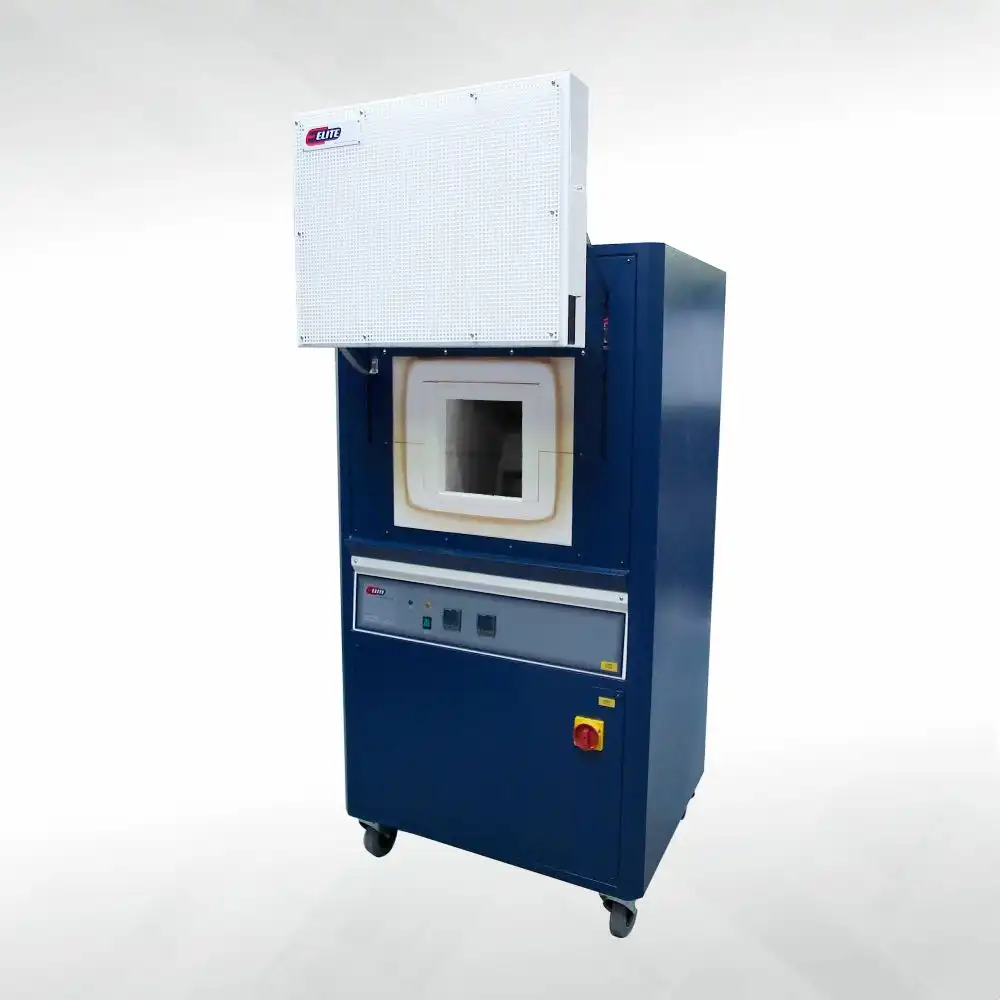
Cupellation Furnace BRF12

Cupellation Furnace

Model: BRF12-CF24
Max Temp: 1200°C

+ Read More

FAQ's – Cupellation Furnaces for Precision Heating Solutions

1. What is a cupellation furnace used for?

A cupellation furnace is primarily used in the assay and analysis of precious metals such as gold, silver, and platinum. It enables the separation of noble metals from base materials by subjecting the sample to high-temperature oxidation in a cupel. These furnaces are widely used in mining, metallurgy, and jewellery industries.

2. How does a cupellation furnace ensure accuracy?

Elite Furnaces’ cupellation furnaces are designed with precise temperature control, excellent heat uniformity, and durable refractory linings, ensuring accurate and repeatable results. This consistency is critical for laboratories performing fire assay testing and metallurgical research.

3. What temperature ranges can a cupellation furnace achieve?

Typical cupellation processes require temperatures between 900°C and 1,200°C. Elite Furnaces offers a wide range of models capable of delivering stable performance across these ranges, with optional configurations for increased temperatures, higher precision and throughput.

4. What features should I look for in a cupellation furnace?

When investing in a cupellation furnace, consider:

  • Temperature accuracy and stability
  • Chamber capacity and throughput (number of cupels processed per batch)
  • Durability of chamber linings and insulation
  • Safety features like over-temperature protection and door interlocks
  • Energy efficiency for long-term cost savings
  • Adequate fume extraction and lead collection systems.