
Elite Furnaces' ashing furnaces are engineered to deliver accurate, repeatable results for laboratories and industries requiring precise combustion and heating processes. From thermogravimetric analysis (TGA) to loss on ignition (LOI) testing, our furnaces provide uniform temperature distribution, advanced safety features, and customizable chamber sizes. Trusted worldwide, they are the ideal choice for laboratories, universities.
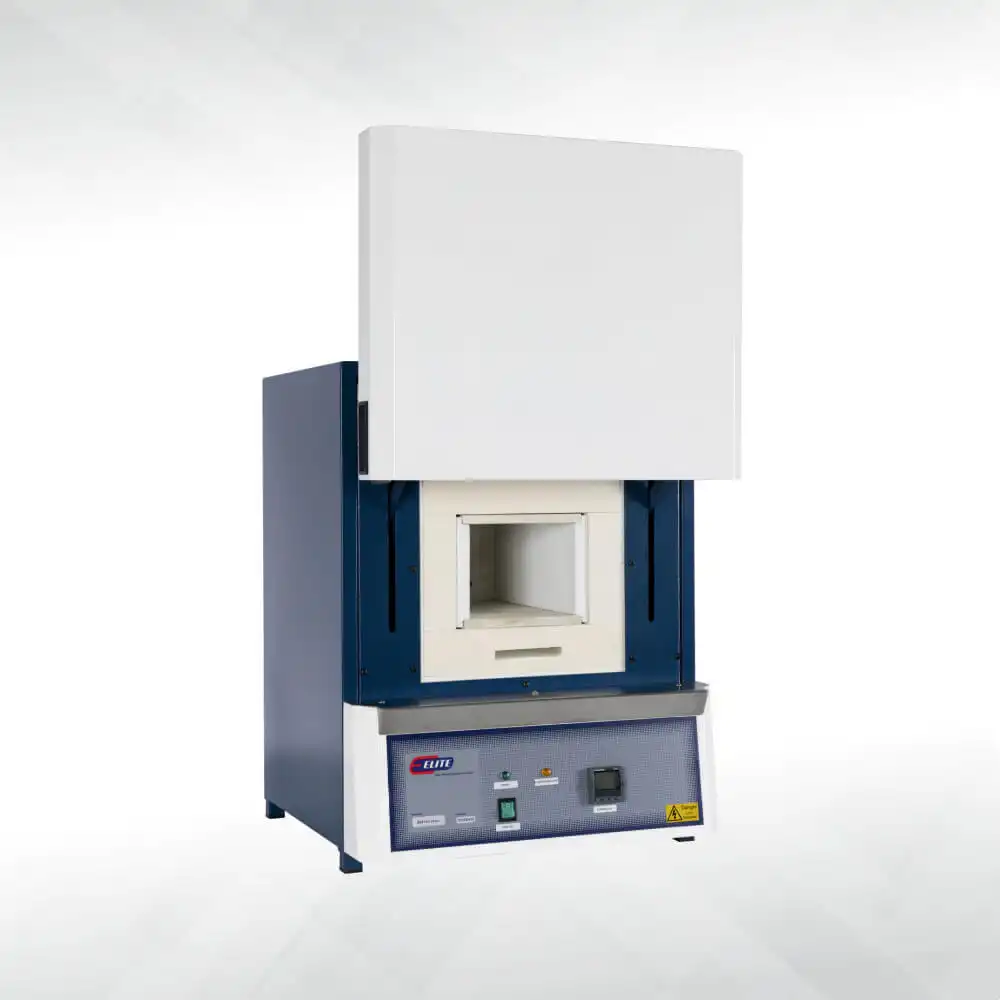
Model: BSF/A
Max Temp: 1200°C
Chamber Volumes: 4 to 45 Litres.
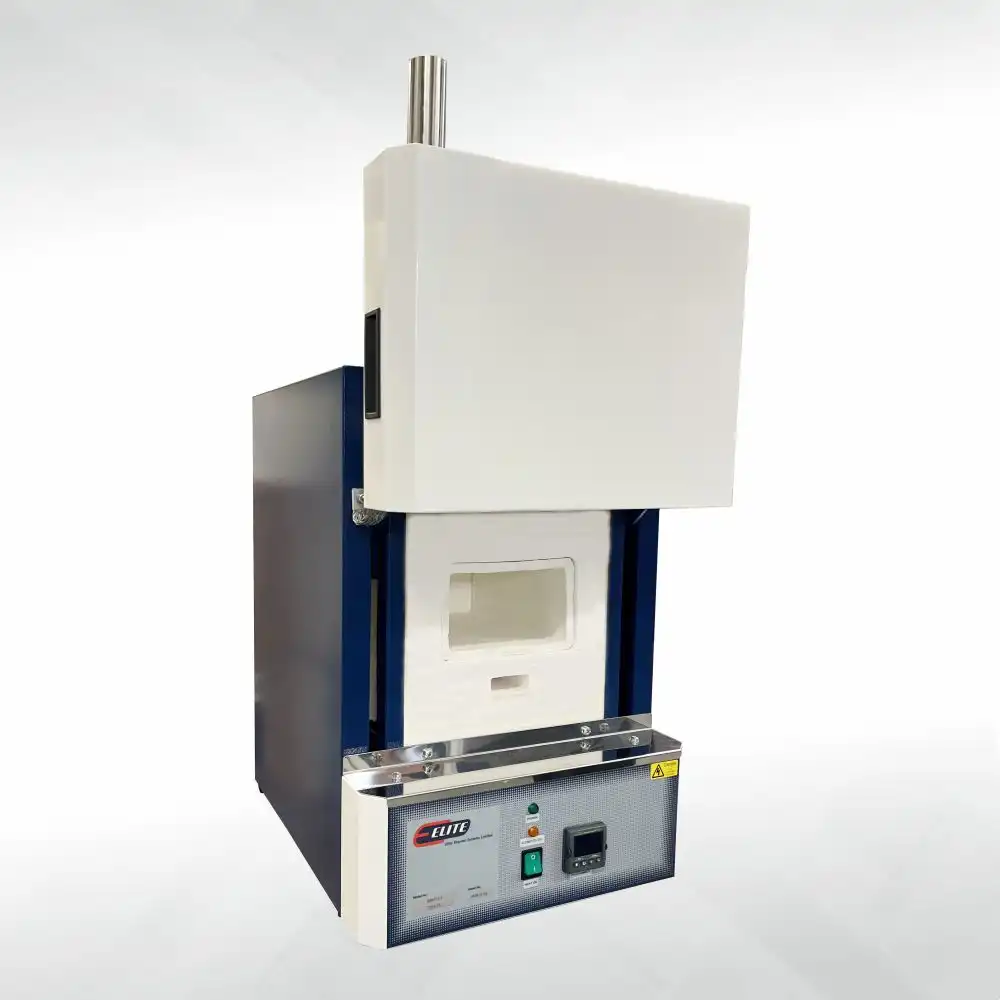
An ashing furnace is designed to provide the controlled high-temperature conditions required for the complete combustion of organic and inorganic samples. They are widely used for loss on ignition (LOI), thermogravimetric analysis (TGA), and quality testing across industries such as coal, cement, food, plastics, and environmental analysis.
Elite Furnaces’ ashing furnaces are built with advanced insulation, uniform heat distribution, and precise temperature control systems. This ensures that every sample undergoes consistent heating, enabling reliable, repeatable, and accurate measurements for critical laboratory and industrial applications.
Depending on the model, ashing furnaces typically operate from 200°C up to 1,200°C or higher. Elite Furnaces offers a wide range of models tailored for routine laboratory analysis as well as high-performance industrial testing, ensuring the right solution for different applications.
When purchasing an ashing furnace, key considerations include:
