
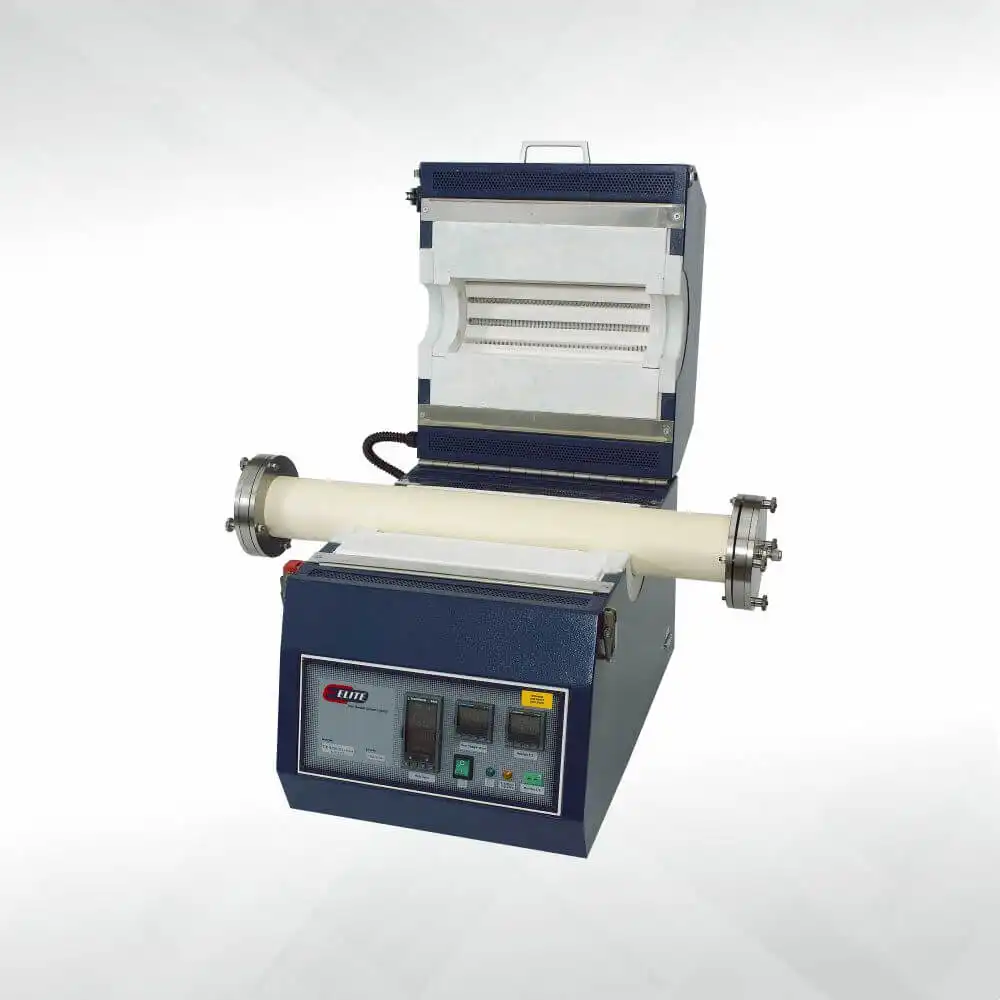
Maximum Furnace Temperature: 1100°C
Furnace Bore Size (mm): 90
Heated Lengths (mm): 305 to 610
Orientation: Horizontal
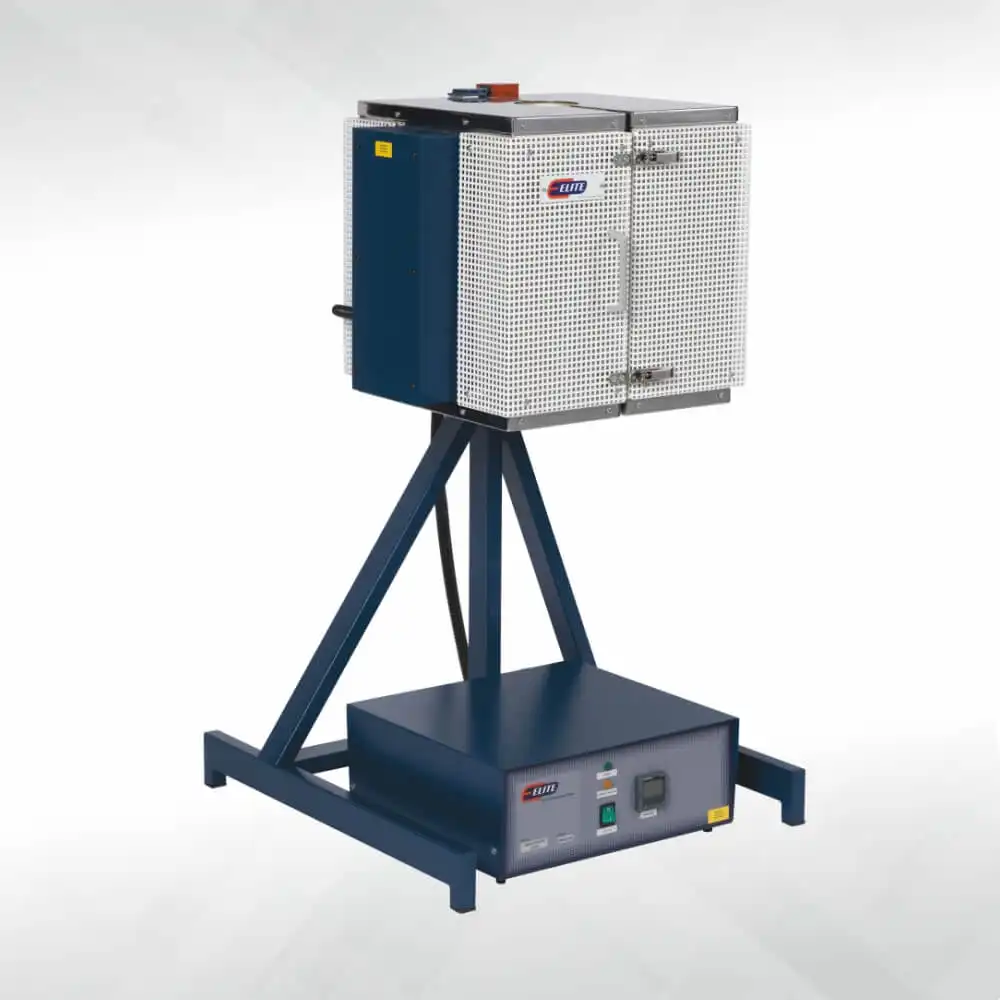
Maximum Furnace Temperature: 1100°C
Furnace Bore Size (mm): 90
Heated Lengths (mm): 305 to 610
Orientation: Vertical
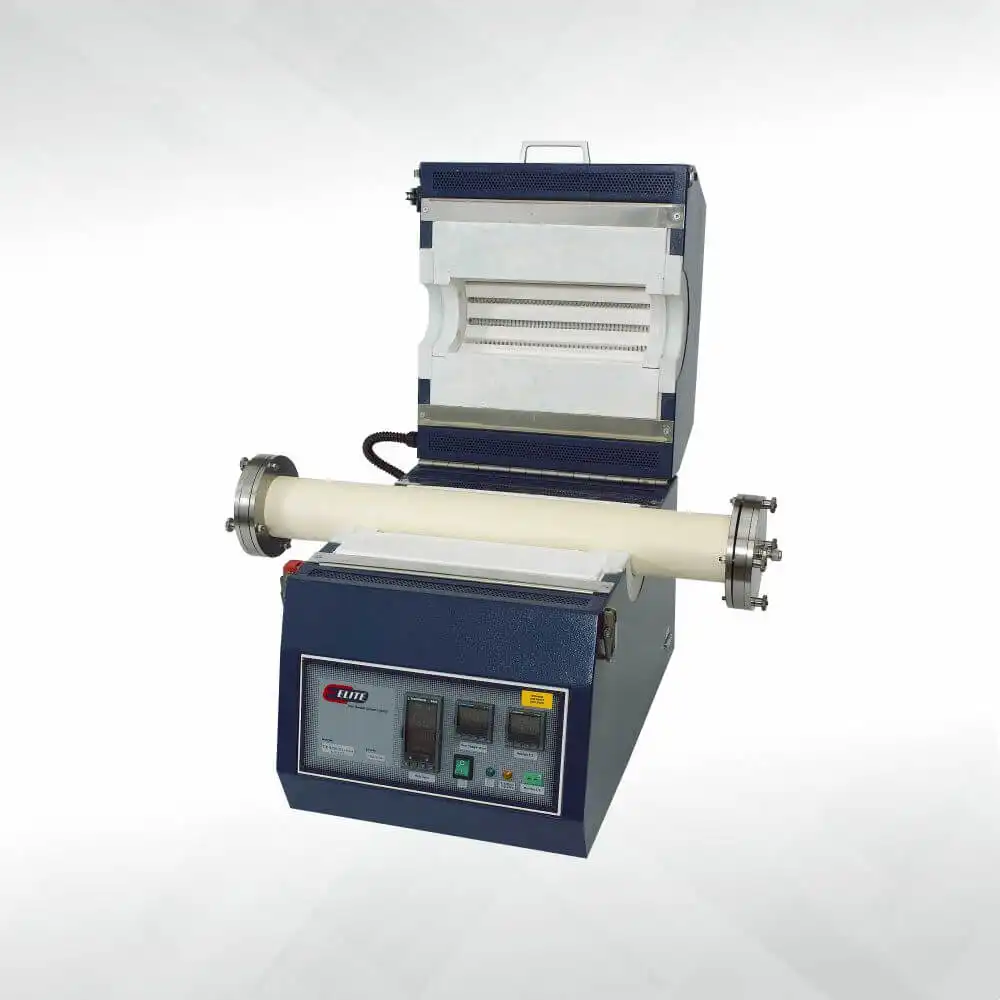
Maximum Furnace Temperature: 1200°C
Furnace Bore Size (mm): 90
Heated Lengths (mm): 305 to 940
Orientation: Horizontal
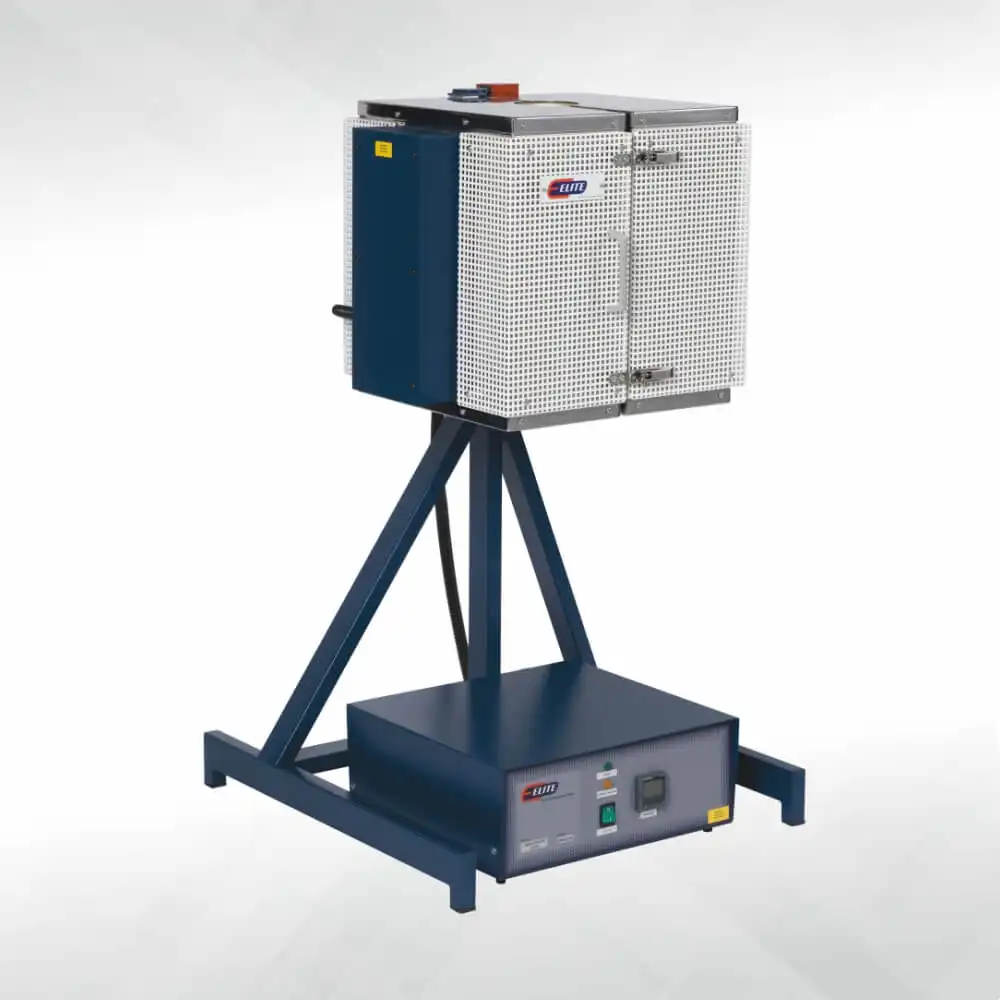
Maximum Furnace Temperature: 1200°C
Furnace Bore Size (mm): 90
Heated Lengths (mm): 305 to 940
Orientation: Vertical
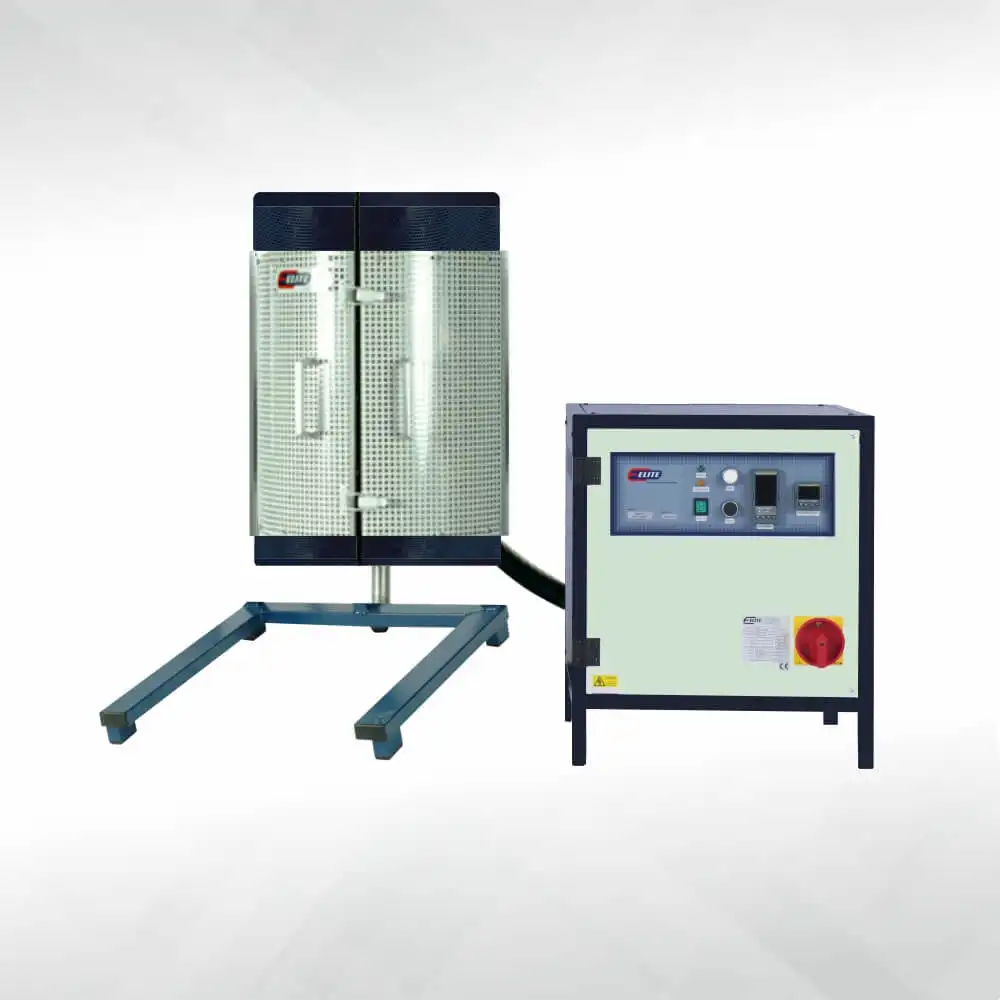
Maximum Furnace Temperature: 1700°C
Furnace Bore Size (mm): 90
Heated Lengths (mm): 250
Orientation: Vertical
A split tube furnace features a heating chamber that can be opened or separated, allowing easier sample loading and removal without disturbing the setup. This design improves accessibility and workflow efficiency for laboratories and research facilities handling numerous or bulky samples.
High-performance split tube furnaces provide:
• Easy sample loading and unloading
• Reduced heat loss during access
• Flexible handling of long or fragile samples within worktubes
• Better ergonomics for frequent use
These features make them ideal for active labs and high-throughput environments.
Elite Thermal’s high-performance split tube furnaces cover a wide range of temperatures suitable for materials research and thermal applications. Typical models can operate up to 1800°C, depending on configuration and materials used.
Unlike traditional tube furnaces with a fixed cylindrical chamber, split tube designs allow part of the furnace to open or split, improving access to samples and reducing process interruptions. This makes them suitable for applications where quick handling and flexibility are priorities.
Yes. Split tube furnaces can be configured to operate under controlled atmospheres (e.g., inert gas) within the worktube. This allows processing of sensitive materials without contamination or oxidation.
👉 See controlled environment options
Split tube furnaces are ideal for:
• Annealing and heat treatment
• Material stability testing
• Sintering and densification
• Controlled atmosphere processing
Yes. Elite Thermal offers custom split tube furnace solutions tailored to your specific size, temperature range, atmosphere, and application needs.
